Blog
Pellet machine safety combines guarding, automation, maintenance, and disciplined operation for dependable poultry feed production.
A modern poultry feed pellet machine can integrate controlled feeding, pelletizing, cooling, screening, and conveying within one production system.
A professional feed pellet mill should support safe access, controlled energy isolation, dust management, and straightforward maintenance.
Correct equipment configuration can reduce unnecessary operator exposure while supporting stable production across poultry farms and commercial feed mills.
- Integrated safety planning around a pellet machine creates a stronger production foundation, with 24-hour monitoring and clearly defined operating procedures.
Get professional poultry farm construction guidance, equipment selection solutions, and the latest price lists, whatsApp to +8618830120193, click to learn more:
Engineering Points: Build Safety Into Every Pelletizing Step
Pellet machine safety begins with equipment design, not only operator behavior.
A well-configured poultry feed pellet machine should separate feeding, pelletizing, cooling, screening, and conveying operations.
For example, an enclosed transmission system with a 1.5 m minimum operator clearance can help keep routine movement away from rotating components, while
a dedicated control cabinet positioned at least 0.8 m from the service zone gives operators better access to shutdown controls.
OSHA identifies guarding of moving parts and control of hazardous energy as fundamental machine-safety measures.
For poultry-feed producers, choosing equipment with integrated guarding, emergency-stop architecture, and accessible maintenance points can reduce
unnecessary exposure during daily production.
Our pellet machine can be configured as part of a complete feed-processing system, allowing safety features to be considered together rather than added after
installation.
Pellet Machine Safety Configuration
Data is for reference only.Swipe horizontally to view full table.
Tip Card: Keep Hands Away From Moving Zones
Pellet Machine Safety Card
1 — Keep clear: Never use hands, sticks, or improvised tools to clear material from an operating pellet machine.
2 — Maintain separation: Operators should maintain a 1.0 m exclusion zone around accessible moving equipment and use designated clearing tools.
3 — Confirm status: A poultry feed pellet machine with three clearly separated operating modes—automatic, manual, and maintenance—can make operating status easier to recognize.
4 — Stop before correction: When abnormal vibration, noise, or pellet formation occurs, stop the production sequence according to the site's operating procedure.
5 — Avoid improvised intervention: A professional feed pellet mill should provide controlled access points for cleaning, adjustment, and servicing.
Operator Protection Equipment
Data is for reference only.Swipe horizontally to view full table.
Pre-Startup Machine Inspection
Data is for reference only.Swipe horizontally to view full table.
Process Structure: Lockout Before Maintenance
Stop → Isolate → Lock → Release → Verify → Service → Guard → Test
A safe pellet machine maintenance sequence should follow a defined energy-control process.
This process is especially important when cleaning the die chamber, replacing rollers, servicing the drive system, or removing compacted feed material.
OSHA's lockout/tagout guidance requires hazardous energy to be isolated and the isolation verified before applicable servicing work begins.
For a modern poultry feed pellet machine, an organized energy-control procedure should identify electrical, mechanical, hydraulic, pneumatic, and thermal sources.
A service checklist completed within 5 minutes of shutdown can improve consistency between shifts, while equipment documentation should identify every isolation point by function.
Hazardous-Energy Control Points
Data is for reference only.Swipe horizontally to view full table.
Equipment Combination Recommendation: Safer Complete Feed Lines
Pellet Machine + Automatic Feeder + Cooler + Crumbler + Screener + Conveyor
Safety becomes easier when upstream and downstream equipment work as one coordinated system.
A poultry feed pellet machine can combine with a 5.5 kW automatic feeder, counterflow cooler, crumbler, screener, and enclosed conveyor system so operators spend less time manually transferring material between machines.
Integrated automation also reduces unnecessary operator movement across production zones.
For farms and commercial feed mills, our feed pellet mill packages can be configured according to flock scale, feed formulation, and desired automation level.
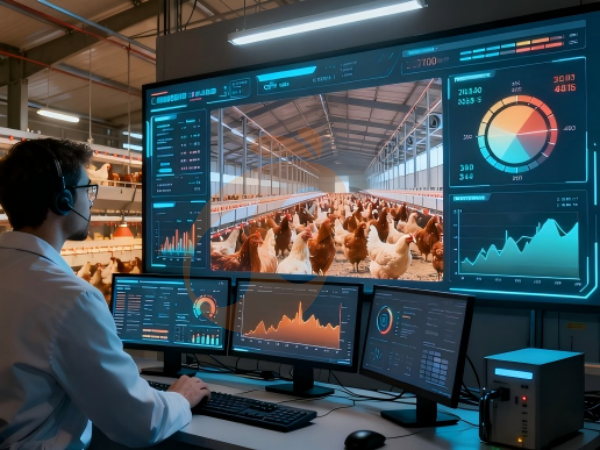
A centralized PLC system with 24-hour production monitoring capability can help operators identify equipment status without repeatedly approaching individual machines.
Recommended Equipment Combination
Data is for reference only.Swipe horizontally to view full table.
Operating Monitoring Parameters
Data is for reference only.Swipe horizontally to view full table.
Engineering Checklist: Train Operators Before Production
Training Framework
Module 01 — Startup: Operators learn the correct pellet machine startup sequence and equipment-status confirmation.
Module 02 — Operation: Operators learn controlled feeding, production monitoring, and abnormal-condition recognition.
Module 03 — Emergency Response: Operators practice emergency stopping and controlled shutdown procedures.
Module 04 — Maintenance: Operators learn cleaning, lubrication, inspection, and service boundaries.
Module 05 — Energy Isolation: Authorized personnel learn lockout procedures before maintenance intervention.
Module 06 — Verification: A documented practical demonstration should be completed before independent operation.
For poultry-feed businesses, equipment selection and operator training should be treated as one package.
A pellet machine that is easy to inspect, clean, adjust, and monitor can support more consistent production management.
With a structured training record reviewed every 90 days, supervisors can identify skill gaps before they become operational problems.
Safety-Oriented Pellet Machine Selection
Data is for reference only.Swipe horizontally to view full table.
A safe production environment is ultimately created by combining the right pellet machine, correct procedures, and disciplined operation.
For poultry farms and feed manufacturers, investing in an integrated poultry feed pellet machine can support both production efficiency and operator protection.
When machine guarding, energy isolation, dust management, automation, and maintenance access are designed together, safety becomes part of the equipment itself rather than an afterthought.
Frequently Asked Questions
Q1: What should operators check before starting a pellet machine?
Operators should verify guards, emergency stops, lubrication, fasteners, electrical condition, and material flow before startup.
A poultry feed pellet machine should never enter production while a safety interlock or protective guard remains defective.
Q2: How can a feed pellet mill reduce unnecessary operator exposure?
An enclosed feed pellet mill can combine automatic feeding, centralized control, enclosed conveying, and automated monitoring.
Reducing manual intervention around moving components helps create a more controlled operating routine.
Q3: What equipment combination supports safer poultry feed production?
A pellet machine can be integrated with an automatic feeder, cooler, crumbler, screener, dust collector, and enclosed conveyors.
A PLC-based system can provide continuous equipment status monitoring while operators work from controlled access zones.
Taiyu (HK) Group - One Of China Toppest Pellet Machine Manufacturer
Pellet machine systems are engineered for poultry feed production, with configurations supporting integrated automation, guarded transmission, and continuous industrial operation.
Global factory-direct supply covers poultry equipment packages, including pelletizing, conveying, cooling, screening, crushing, feeding, and dust-control units.
Turn-key engineering services coordinate process design, equipment configuration, installation guidance, commissioning support, and production-line integration.
Poultry equipment projects can be configured for farm-scale production, commercial feed mills, and multi-stage industrial processing facilities.
Technical specifications, electrical configurations, production capacity, and equipment combinations are developed according to project requirements and operating conditions.
Contact Us To Received Your Customized Poultry Farm Plan
Headquarters And Branchs
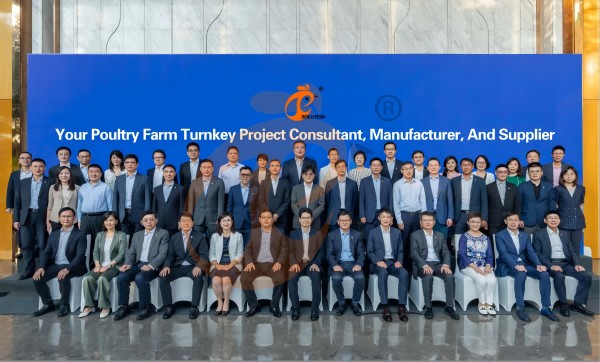
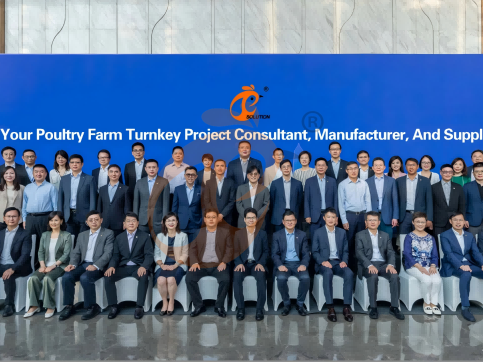
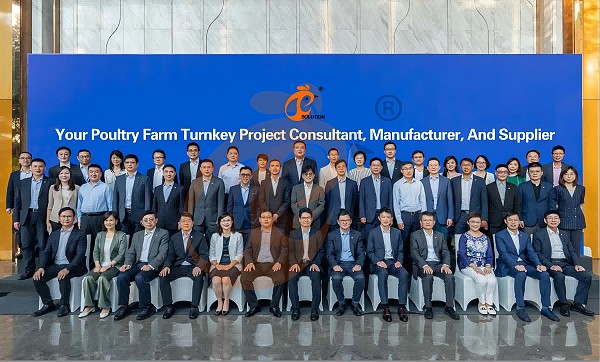
Hong Kong Headquarter Management Team
Hong Kong Headquarter Taiyu Industrial Group CO., LTD
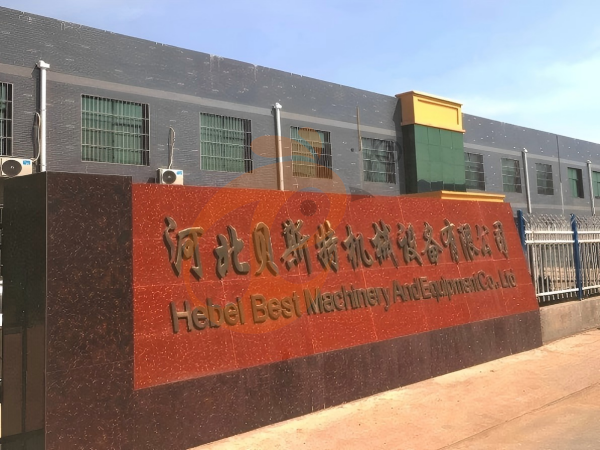
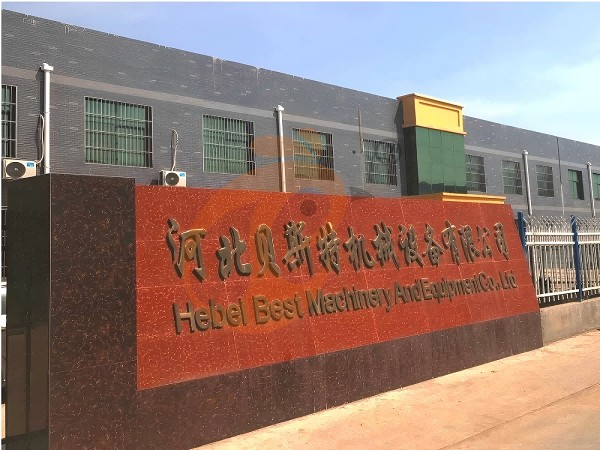
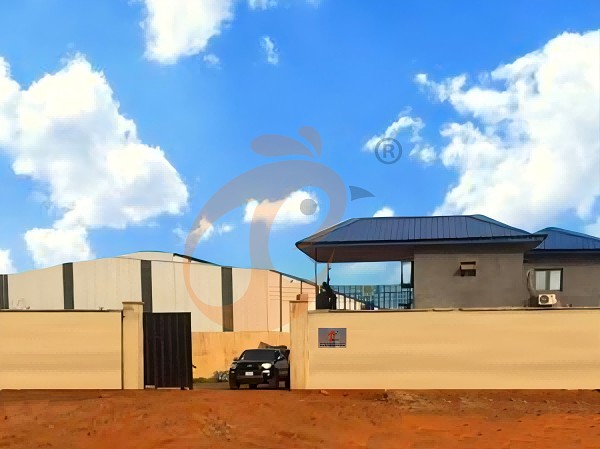
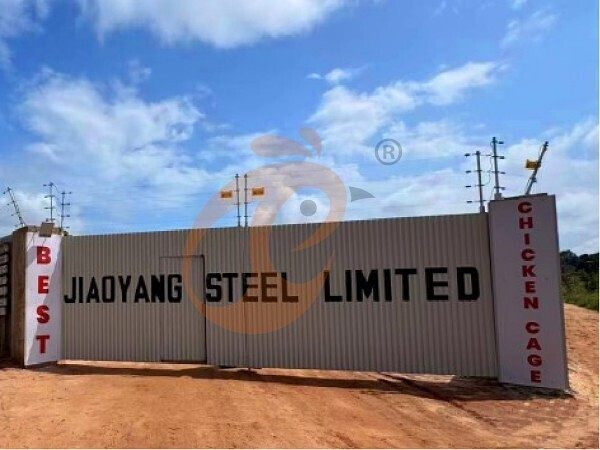
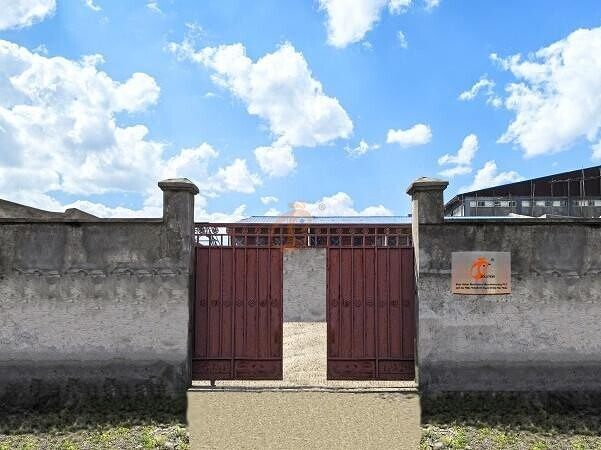
China Hebei Best Machinery And Equipment CO., LTD
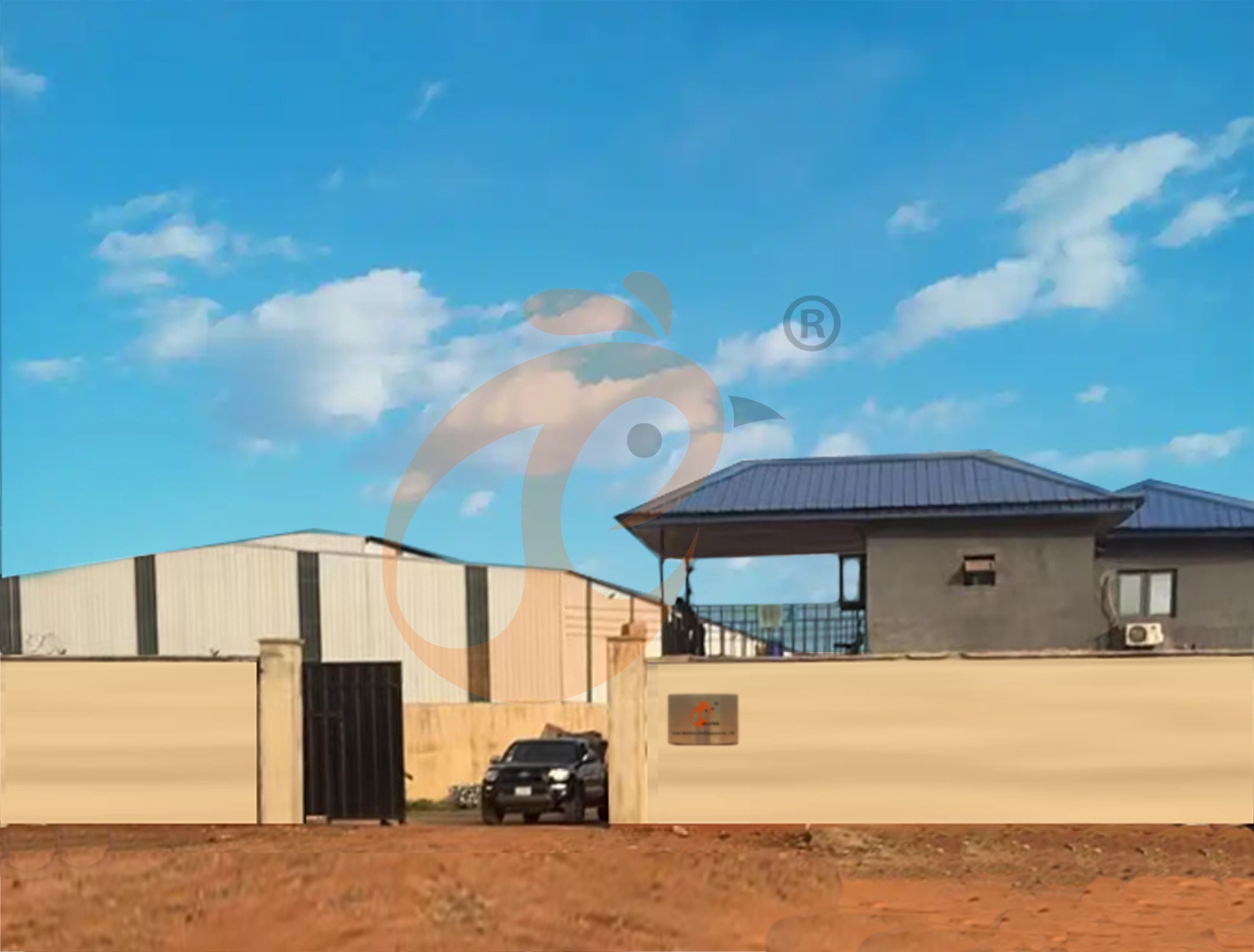
Nigeria Vanke Machinery And Equipment CO., LTD
Tanzania Best Machinery And Equipment CO., LTD
Ethiopia Best Hebei Machinery Manufacturing PLC
Reception /24 WhatsApp NO. : +8618830120193
FAQ
Message
Produits recommandés
 >30 000 poules pondeuses Cage en batterie automatique de type H1. Plus de 30 000 poules par bâtiment, choisissez-le
2. Il est conçu pour élever des poulets âgés de 12 ou 16 semaines jusqu'à l'âge adulte pour la ponte
3. Sa durée de vie est de plus de 25 ans
4. Notre réception en ligne 24h/24, numéro WhatsApp : +8618830120193, +234 8111199996 >Cage en batterie automatique de type H pour 30 000 poulettes1. Plus de 30 000 poulettes par bâtiment, choisissez-le.
2. Il est conçu pour l'élevage de poulettes âgées de plus de 1 jour jusqu'à 12 à 16 semaines, âge auquel les poules commencent à pondre.
3. Sa durée de vie est de plus de 25 ans.
4. Sa structure comprend une fusion intelligente artificielle Vcloud, un armoire électrique de contrôle, des équipements automatiques pour l'abreuvement, l'alimentation, le nettoyage du fumier et la récolte manuelle.
5. Notre réception en ligne 24h/24 est disponible sur WhatsApp au NO. +8618830120193 <30,000 Pullets Automatic A Type Battery Cage1. De 10 000 à 30 000 poulettes par bâtiment, choisissez-le.
2. Il est conçu pour l'élevage de poulettes âgées de plus de 1 jour jusqu'à 12 à 16 semaines, âge auquel les poules commencent à pondre.
3. Sa durée de vie est de plus de 25 ans.
4. Sa structure comprend une fusion intelligente artificielle Vcloud, un armoire électrique de contrôle, des équipements automatiques pour l'abreuvement, l'alimentation, le nettoyage du fumier et la récolte manuelle.
5. Notre réception en ligne 24h/24 est disponible sur WhatsApp au numéro +86 18830120193. >30,000 Poulets de chair Batterie de cages de récolte automatique Type H1. Plus de 30 000 poulets de chair par bâtiment, choisissez-le.
2. Il est conçu pour l'élevage de poulets de chair âgés de 1 à 45 jours, prêts pour le marché.
3. Sa durée de vie est de plus de 20 ans.
4. Notre réception en ligne 24h/24 est disponible sur WhatsApp aux numéros +8618830120193, +234 8111199996. >30,000 Poulets de chair Batterie de cages de récolte semi-automatique type H1. Plus de 30 000 poulets de chair par bâtiment, choisissez-le.
2. Il est conçu pour l'élevage de poulets de chair âgés de 1 à 45 jours, prêts pour le marché.
3. Sa durée de vie est de plus de 20 ans.
4. Notre réception en ligne 24 heures sur 24 What'sApp NO. est +8618830120193, +234 8111199996. >30,000 Poulets de chair Cage en batterie de type H pour récolte manuelle1. Plus de 30 000 poulets de chair par bâtiment, choisissez-le.
2. Il est conçu pour l'élevage de poulets de chair âgés de 1 à 45 jours, prêts pour le marché.
3. Sa durée de vie est de plus de 20 ans.
4. Sa structure comprend une fusion intelligente artificielle Vcloud, un armoire électrique de contrôle, des équipements automatiques pour l'abreuvement, l'alimentation et le nettoyage du fumier, ainsi qu'une récolte manuelle.
5. Notre réception en ligne 24h/24 est disponible sur WhatsApp aux numéros +8618830120193, +234 8111199996. <30,000 Broilers Manual Harvest A Type Battery Cage1. Moins de 30 000 poulets par bâtiment, choisissez-le.
2. Conçu pour l'élevage de poulets de 1 à 45 jours prêts pour le marché.
3. Sa durée de vie est de plus de 20 ans.
4. Sa structure comprend une fusion intelligente artificielle Vcloud, un armoire électrique, des équipements automatiques d'abreuvement, d'alimentation et de nettoyage du fumier, et une récolte manuelle.
5. Notre réception en ligne 24h/24 sur WhatsApp : +8618830120193, +234 8111199996. Le siège social à Hong Kong propose des solutions d'élevage avicole aux normes européennes et fabrique des équipements d'élevage avicole1. Communication continue avec l'UE et les États-Unis
2. Filiales et usines en Chine, Nigeria, Éthiopie et Tanzanie
3. La qualité des produits est adaptée aux fermes avicoles locales
4. Stock de cages avicoles et d'équipements de ferme avicole disponibles à la vente
5. Réception en ligne 24h/24 sur Whatsapp NO. : +8618830120193, contactez-nous pour obtenir toutes les informations La filiale chinoise propose un plan d'entreprise pour les fermes avicoles et fabrique des équipements pour fermes avicoles1. Adresse : Appartement/Bureau 2416, 24e étage, Bâtiment Runxing, Rue Youyi Nan, Ville de Shijiazhuang, Province du Hebei, Chine
2. Usine d'équipements de volaille et cages pour élevages avicoles avec stock disponible
3. Personnalisé pour les élevages avicoles locaux
4. Qualité et conception basées sur les normes européennes
5. Réception en ligne 24h/24 sur Whatsapp NO. : +8618830120193 La succursale du Nigeria propose un plan d'affaires pour les fermes avicoles, fabrique des équipements pour fermes avicoles1. Adresse : Après le bureau Sinoma, à 200 mètres près de la station-service Danco, Lagos/Ibadan Expressway, État de Lagos, Nigeria
2. Usine de cages de volaille et d'équipements de ferme avicole et stock à vendre
3. Personnalisé pour les fermes avicoles nigérianes
4. La qualité et la conception sont basées sur les normes européennes
5. Réception en ligne 24h/24 Whatsapp NO. : +8618830120193 Offre de plan d’affaires pour une exploitation avicole en Éthiopie, fabrication d’équipements avicoles1. Adresse : Gelan Gura, sous-ville d’Akaki-Kaliti, Addis-Abeba, Éthiopie
2. Cages pour volailles et équipements d’élevage avicole en stock à vendre
3. Personnalisé pour les élevages avicoles éthiopiens
4. La qualité et la conception sont basées sur les normes européennes
5. Réception en ligne 24 h/24. Numéro WhatsApp : +8618830120193, contactez-nous pour obtenir la liste des prix La filiale en Tanzanie propose un plan d'entreprise pour ferme avicole, fabrique des équipements pour ferme avicole1. Adresse : No.8, Sova Road, Msufini, Mlandizi, Kibaha, Pwani, Tanzanie
2. Usine de cages pour volailles et équipements de ferme avicole et stock à vendre
3. Personnalisé pour les fermes avicoles tanzaniennes
4. La qualité et la conception sont basées sur les normes européennes
5. Réception en ligne 24h/24 via WhatsApp NO. : +8618830120193 Système de ventilation et de contrôle de la température pour volailles1. Précision de contrôle de température jusqu'à ±0.5℃
2. Précision de contrôle d'humidité ±5% RH
3. Ventilateur principal de ventilation 45000 m³/h
4. Épaisseur du tampon de refroidissement 150 mm
5. Réception /WhatsApp NO. : +8618830120193